







Beating Cancer Is the Beginning of a New Chapter
Advances in oncology have enabled more people than ever before to survive cancer and enjoy longer lives after treatment.
However, completing cancer treatment does not always mark the end of medical follow-up. For many patients, it represents the beginning of a new phase in which maintaining both physical and emotional well-being remains essential.
In this context, cardiovascular health plays a particularly important role. Certain cancer therapies can have adverse effects on the heart, some of which may not become apparent immediately after treatment. As a result, protecting heart health is an important part of the recovery journey and long-term survivorship.
Why Is Heart Health Important After Cancer?
The primary goal of cancer treatment is to eliminate the disease, but some therapies can also affect healthy organs, including the heart.
While many patients never experience cardiovascular complications, others may develop heart-related problems during treatment or even months and years after therapy has ended.
As a result, cardiovascular monitoring is becoming an increasingly important component of post-cancer care, helping healthcare professionals detect and manage potential complications early.
What Is Cardiotoxicity?
Cardiotoxicity refers to damage to the heart or blood vessels caused by certain cancer treatments.
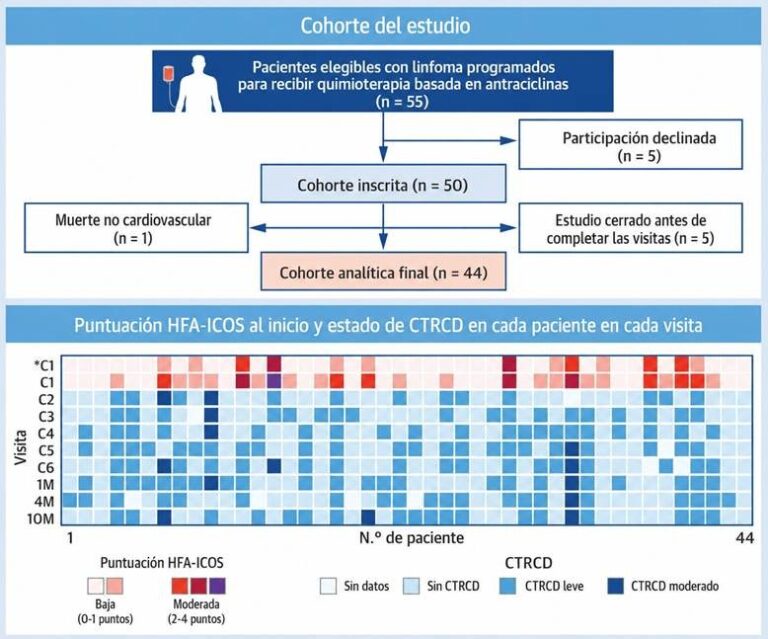
Some therapies, such as anthracyclines, are highly effective against a wide range of cancers. However, in some patients they may also affect cardiac function.
One of the main challenges is that cardiotoxicity does not always cause symptoms in its early stages. In some cases, heart damage can develop silently before becoming clinically apparent, making early detection especially important.
Not everyone develops cardiotoxicity, and not all cancer treatments carry the same cardiovascular risk. Nevertheless, understanding this potential complication allows healthcare teams to provide appropriate monitoring and intervene early when necessary.
The Importance of Cardiovascular Follow-Up
Cardiovascular follow-up helps ensure that the heart remains healthy after cancer treatment.
Depending on each patient’s individual risk factors and treatment history, healthcare professionals may recommend regular follow-up visits and diagnostic tests to monitor heart function and identify potential changes before symptoms develop.
The goal is not to create unnecessary concern but to support early diagnosis and preserve long-term cardiovascular health.
Healthy Habits That Help Protect Your Heart
In addition to medical follow-up, adopting healthy lifestyle habits can help support cardiovascular health:
- Maintain a balanced and nutritious diet.
- Engage in regular physical activity adapted to your individual needs and abilities.
- Avoid smoking.
- Monitor blood pressure, cholesterol, and blood glucose levels.
- Get enough sleep and allow adequate time for rest and recovery.
- Consult your healthcare team if you experience symptoms such as shortness of breath, palpitations, swelling in the legs, or persistent fatigue.
These habits are beneficial for everyone, but they can be particularly important for people who have undergone certain cancer treatments.
Research Continues to Advance
Although our understanding of cardiotoxicity has advanced significantly in recent years, fully effective strategies to prevent it in all patients remain unavailable.
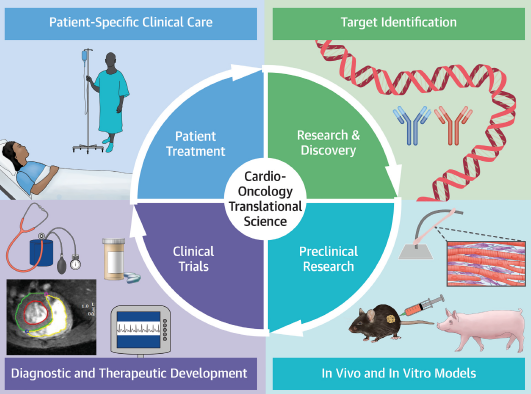
For this reason, ongoing research remains essential to better understand how treatment-related heart damage develops, identify patients at higher risk, and develop new tools for prevention, early diagnosis, and treatment.
The Role of RESILIENCE
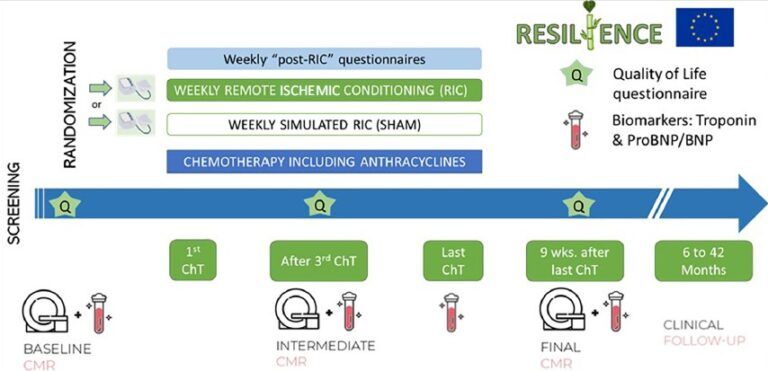
Against this backdrop, RESILIENCE, a European project funded by the European Commission, is working to reduce the incidence of heart failure among patients treated with anthracyclines.
The project is investigating an innovative cardioprotective strategy known as Remote Ischemic Conditioning (RIC), which aims to protect the heart during cancer treatment.
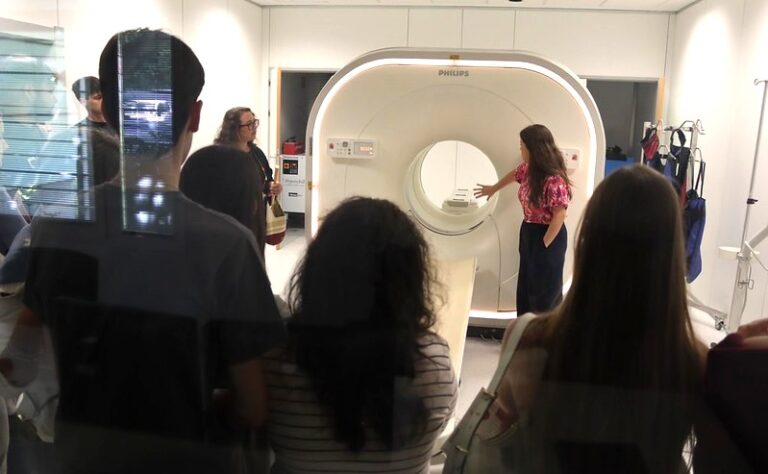
In addition, RESILIENCE incorporates advanced diagnostic tools, including Cardiac Magnetic Resonance (CMR) imaging and cardiovascular biomarkers, to identify the earliest signs of cardiotoxicity before significant damage occurs.
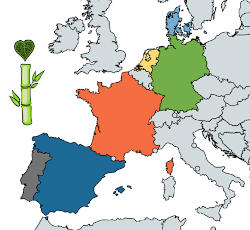
This work is made possible through a multidisciplinary approach that brings together researchers, healthcare professionals, industry partners, and patient representatives with a shared goal: improving cardiovascular health for people living with and beyond cancer.
Protecting the Heart Beyond Cancer
At RESILIENCE, we believe that surviving cancer should not come at the expense of cardiovascular health. By advancing research, strengthening early detection, and promoting prevention, we are working towards a future where cancer survivors can live longer, healthier lives with the best possible quality of life.