'/%3E%3C/svg%3E)
'/%3E%3Cpath%20fill='%23b2b2b2'%20d='M241%20382q0%2016%2017%2026%2017%2011%2042%2011t42-11q16-11%2017-26V269H241'/%3E%3Cpath%20fill='%239f7e00'%20d='M241%20379q0%2014%208%2023%209%209%2021%209%2014%200%2021-9%209-9%209-23V269h-59'/%3E%3Cpath%20d='M241%20339v-70h59v110q0%2014-9%2023l-6%205v-68h-15v72q-8%200-14-4v-68zm59%2040c0%2022%2015%2032%2029%2032%2021%200%2030-18%2030-32v-40h-59'/%3E%3Cpath%20fill='%239f7e00'%20d='M266%20277v5h2v12h-3v-5h2v-5h-9v5h2v5h-4v9h3v18h-5v10h34v-10h-5v-18h3v-9h-4v-5h2v-5h-9v5h2v5h-3v-12h2v-5zm42%20101q0%2010%206%2017%206%206%2015%207%2010-1%2016-7%206-7%206-17v-29h-43'/%3E%3Ccircle%20fill='%230044ad'%20cx='329.5'%20cy='372'%20r='6'/%3E%3Cellipse%20fill='%230044ad'%20cx='300'%20cy='340'%20rx='16'%20ry='21'/%3E%3C/svg%3E)


'/%3E%3C/g%3E%3Cuse%20href='%23c'%20transform='matrix(-1%200%200%201%20720%200)'/%3E%3C/svg%3E)








Protecting the heart during cancer treatment
Advances in oncology have significantly improved survival rates for people with cancer. However, some cancer therapies can affect cardiovascular health, a phenomenon known as cardiotoxicity.
This potential impact on the heart has become one of the main challenges in cardio-oncology, a field focused on preventing, detecting, and treating cardiovascular complications associated with cancer and its treatments.
What is cardiotoxicity?
Cardiotoxicity refers to damage that certain cancer treatments can cause to the heart or blood vessels.
It can occur during treatment, shortly after completion, or even years later. In some cases, it may impair cardiac function, trigger arrhythmias, or contribute to the development of heart failure.
Not all patients carry the same risk. Factors such as age, hypertension, diabetes, high cholesterol, smoking, and pre-existing cardiovascular disease can increase the likelihood of complications.
Anthracyclines and heart risk
Anthracyclines remain a first-line treatment for many types of cancer due to their high efficacy.
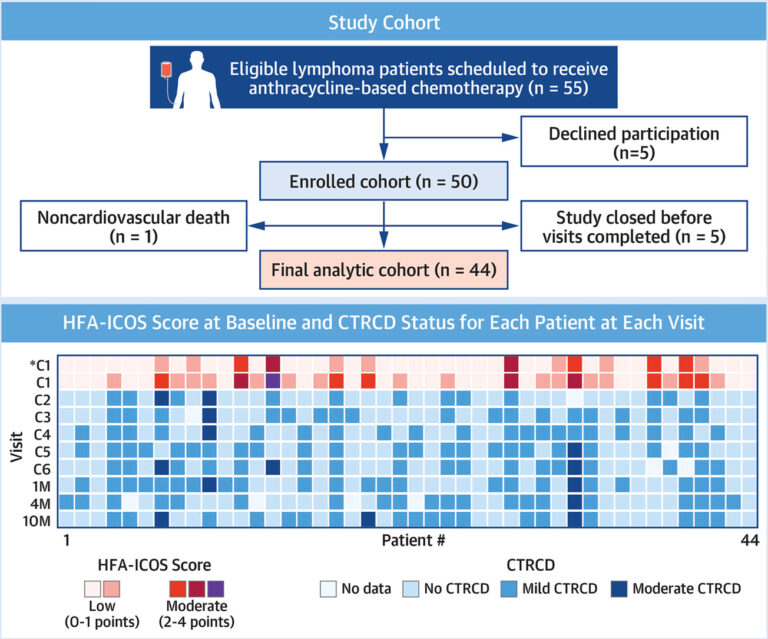
However, they are also among the most studied drugs for their potential impact on the heart. It is estimated that up to 35% of patients treated with anthracyclines may develop some degree of cardiotoxicity or heart failure.
Although the underlying mechanisms are still being investigated, these treatments are known to cause cellular damage that may affect long-term cardiac function.
Prevention starts before treatment
The best strategy to reduce cardiovascular risk begins before starting cancer therapy.
An initial cardiovascular assessment helps determine heart health, identify risk factors, and establish tailored monitoring for each patient. This evaluation may include:
- Medical history
- Clinical examination
- Biomarker analysis
- Cardiac imaging
During treatment, regular monitoring helps detect early changes in heart function before symptoms appear. Diagnostic tools such as echocardiography, cardiac MRI, and specific biomarkers enable increasingly sensitive and timely detection of abnormalities.
Lifestyle habits that protect the heart
Although cardiotoxicity cannot always be fully prevented, certain habits can help protect cardiovascular health during and after treatment:
- Maintain a balanced diet
- Avoid smoking
- Engage in appropriate physical activity
- Control blood pressure, cholesterol, and glucose levels
- Ensure proper medical follow-up
These lifestyle measures do not replace medical treatment but are an essential part of a comprehensive cardiovascular prevention strategy.
The role of research
Currently, there are no fully effective treatments to prevent anthracycline-induced cardiotoxicity. Therefore, research remains crucial.
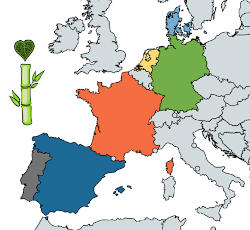
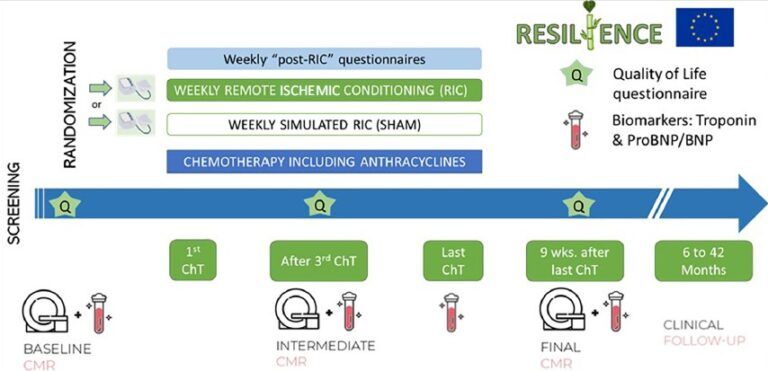
In this context, RESILIENCE, a European project funded by the European Commission, aims to reduce the incidence of heart failure in patients treated with anthracyclines.
The project is studying an innovative strategy known as Remote Ischemic Conditioning (RIC), a simple, non-invasive intervention involving brief cycles of pressure applied to the arm using a cuff.
In addition, RESILIENCE uses advanced diagnostic tools to identify early signs of cardiotoxicity and enable intervention before clinical complications develop.
Looking ahead
Cardiotoxicity continues to be one of the key challenges for patients undergoing certain cancer treatments.
Although there is not yet a definitive way to prevent it, advances in cardiovascular monitoring, early detection, and research are opening new opportunities to better protect patients’ hearts.
Because treating cancer is essential but doing so while preserving cardiovascular health can make a significant difference to both current and future quality of life.
💙 At RESILIENCE, we are working to ensure that surviving cancer does not come at the cost of heart health.