'/%3E%3C/svg%3E)
'/%3E%3Cpath%20fill='%23b2b2b2'%20d='M241%20382q0%2016%2017%2026%2017%2011%2042%2011t42-11q16-11%2017-26V269H241'/%3E%3Cpath%20fill='%239f7e00'%20d='M241%20379q0%2014%208%2023%209%209%2021%209%2014%200%2021-9%209-9%209-23V269h-59'/%3E%3Cpath%20d='M241%20339v-70h59v110q0%2014-9%2023l-6%205v-68h-15v72q-8%200-14-4v-68zm59%2040c0%2022%2015%2032%2029%2032%2021%200%2030-18%2030-32v-40h-59'/%3E%3Cpath%20fill='%239f7e00'%20d='M266%20277v5h2v12h-3v-5h2v-5h-9v5h2v5h-4v9h3v18h-5v10h34v-10h-5v-18h3v-9h-4v-5h2v-5h-9v5h2v5h-3v-12h2v-5zm42%20101q0%2010%206%2017%206%206%2015%207%2010-1%2016-7%206-7%206-17v-29h-43'/%3E%3Ccircle%20fill='%230044ad'%20cx='329.5'%20cy='372'%20r='6'/%3E%3Cellipse%20fill='%230044ad'%20cx='300'%20cy='340'%20rx='16'%20ry='21'/%3E%3C/svg%3E)


'/%3E%3C/g%3E%3Cuse%20href='%23c'%20transform='matrix(-1%200%200%201%20720%200)'/%3E%3C/svg%3E)





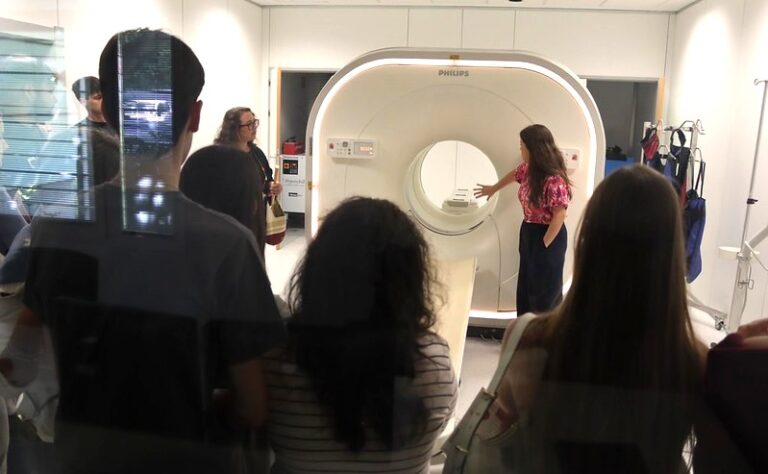
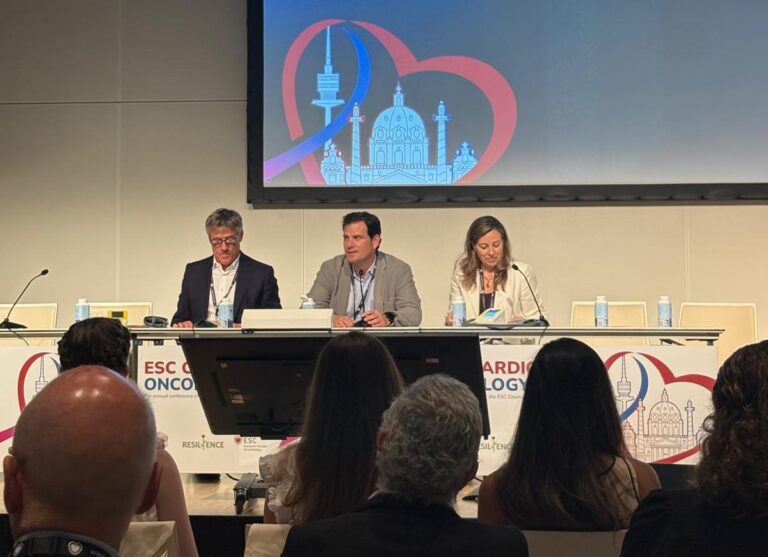
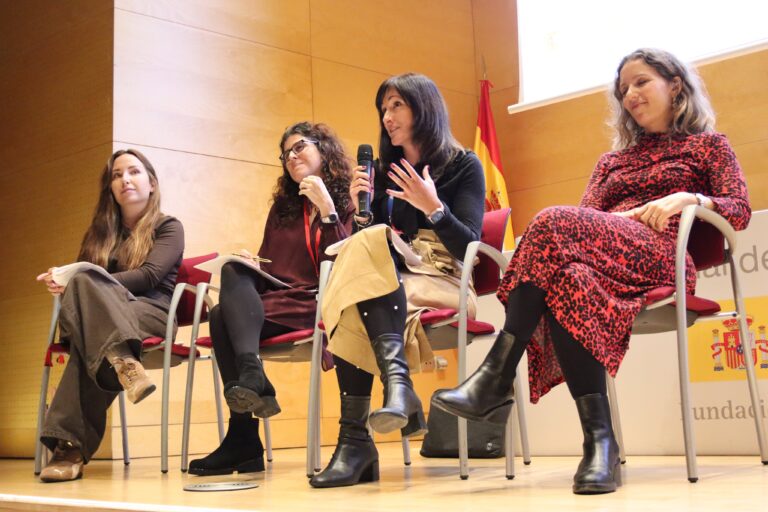


On February 11, the RESILIENCE project took part in the celebration of the International Day of Women and Girls in Science at the Spanish National Center for Cardiovascular Research (CNIC). The event, titled “Let’s Talk About Science: Conference and Panel Discussion,” invited students to discover what scientific research looks like from the inside.
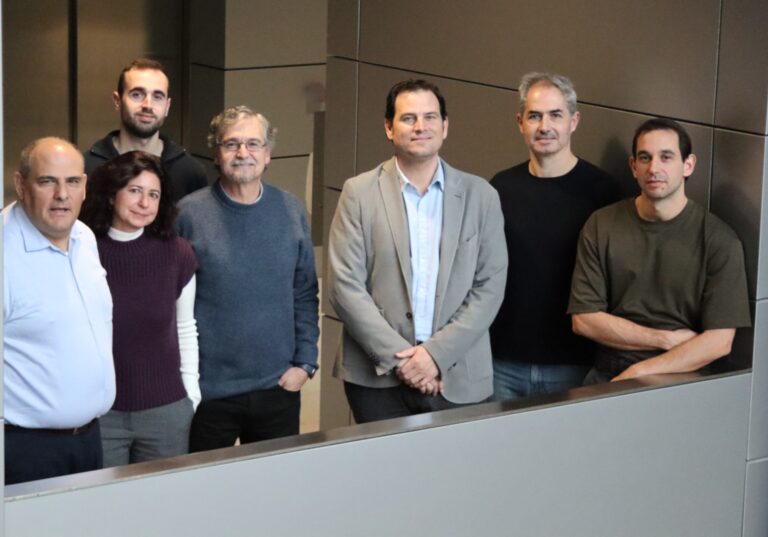
More than 200 students from five schools across the Madrid region filled the CNIC auditorium, excited to meet professionals working at the intersection of cancer research, cardiology, and biomedical innovation. Representing RESILIENCE, cardiologist Inés García Lunar and imaging specialist and nurse Virginia Mass shared their experiences and professional journeys as part of a large European project dedicated to protecting the cardiovascular health of patients undergoing cancer treatment.
They were joined at the roundtable by CNIC researchers Mireia García (Computational Systems Biomedicine); Annalaura Mastrangelo (Metabolomics), and Anabel Díaz-Guerra, from the Translational Laboratory for Cardiovascular Imaging and Therapy, who moderated the discussion.
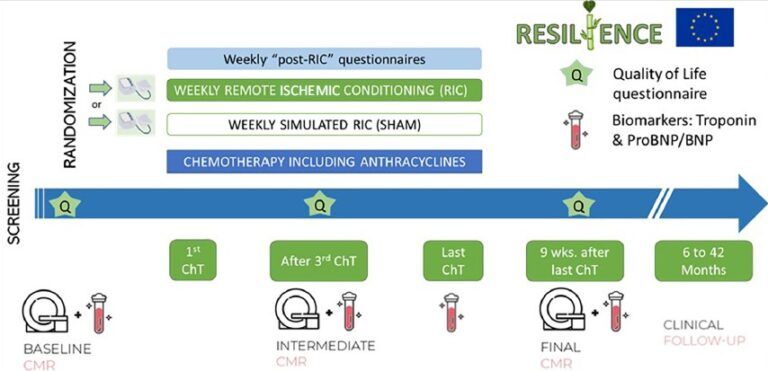
The session was lively and interactive, with students eagerly asking questions about clinical trials, careers in science, and the impact of cancer treatments on heart health. One key topic was cardiotoxicity caused by anthracyclines, a widely used class of chemotherapy drugs. The speakers explained how the RESILIENCE project is developing new strategies to help reduce this cardiotoxicity and prevent heart failure in patients with breast cancer and lymphoma.
A highlight of the conversation focused on the Remote Ischemic Conditioning (RIC) device, a simple, user friendly tool, similar to a blood pressure cuff, that patients can use at home. In RESILIENCE, this device aims to protect the heart during cancer treatment.
Funded by the European Commission, the RESILIENCE H2020 project is committed to improving the lives of cancer patients by combining innovative technology, clinical research, and patient-centered care to reduce the long-term impact of cancer therapies on the heart.