




Cancer, along with cardiovascular diseases, is among the leading causes of mortality worldwide. In Spain, it ranks first in both incidence and number of deaths. However, it is estimated that only between 5% and 10% of cases are genetic or hereditary. The remaining cases are associated with environmental factors and lifestyle, which creates opportunities for primary prevention (avoiding its onset) and secondary prevention (improving the prognosis in people already diagnosed).
Among the most important protective factors, physical activity plays a key role, as it can not only reduce the risk of developing certain types of cancer, but also improve the quality of life, treatment tolerance, and survival of cancer patients.
How does exercise affect the body?
Physical activity not only improves physical fitness, but on a biological level, it also influences physiological and molecular processes related to cancer:
- Reduction of chronic inflammation: Regular exercise decreases the levels of inflammatory substances in the body, such as TNF-α, IL-6, and C-reactive protein, and increases others such as adiponectin, with anti-inflammatory effects.
- Improvement of insulin metabolism: Helps control blood glucose and reduces the availability of IGF-1, a hormone that can promote tumor cell proliferation.
- Hormonal regulation: In the case of breast cancer, it helps lower estrogen levels and slows down mechanisms that stimulate tumor growth.
- Strengthening the immune system: Physical activity enhances the immune system’s ability to detect and attack abnormal cells and reduces oxidative stress.
- Other systemic benefits: such as improved cellular metabolism, increased mitochondrial efficiency, and the promotion of healthier blood circulation.
Physical Exercise and Cancer Risk: Which Types Benefit Most?
Certain studies indicate that an active lifestyle can significantly reduce the risk of developing several types of cancer:
- Breast cancer: It is estimated that up to 13% of cases could be prevented if sedentary women engaged in regular physical activity. Furthermore, in patients already diagnosed, exercise can reduce mortality by 30% to 40%, lower recurrence rates, and improve overall survival.
- Colorectal cancer: Regular exercise can reduce the risk by up to 50%, especially in men, thanks to reduced inflammation and improved hormonal and metabolic regulation.
- Other types: A beneficial association has been observed in lung, gastric, and pancreatic cancer.
What about patients who have already been diagnosed with cancer?
The benefits of exercise do not end with prevention. Exercising is also essential during and after treatment:
During treatment:
- Helps improve tolerance to chemotherapy and radiotherapy.
- Reduces common side effects such as fatigue, loss of muscle mass, depression, and insomnia.
- Maintains bone health and strengthens the immune system.
After treatment:
- Accelerates physical and emotional recovery.
- Reduces the likelihood of tumor recurrence.
- Improves quality of life and long-term survival.
We encourage you to read our blog post on how to safely return to your routine after cancer.
Basic Recommendations
- A combination of aerobic and strength training is recommended, tailored to the patient’s abilities.
- The general guideline is at least 150 minutes of moderate exercise per week, or 75 minutes of more intense activity.
- It is important that physical activity is supervised by a professional, especially for cancer patients, and adapted to their clinical condition, type of treatment, and possible side effects.
- Exercise should begin gradually, increasing intensity based on the patient’s condition.
Physical activity is a powerful tool in both the prevention and management of cancer. Its impact is particularly significant in cancers such as breast and colon.
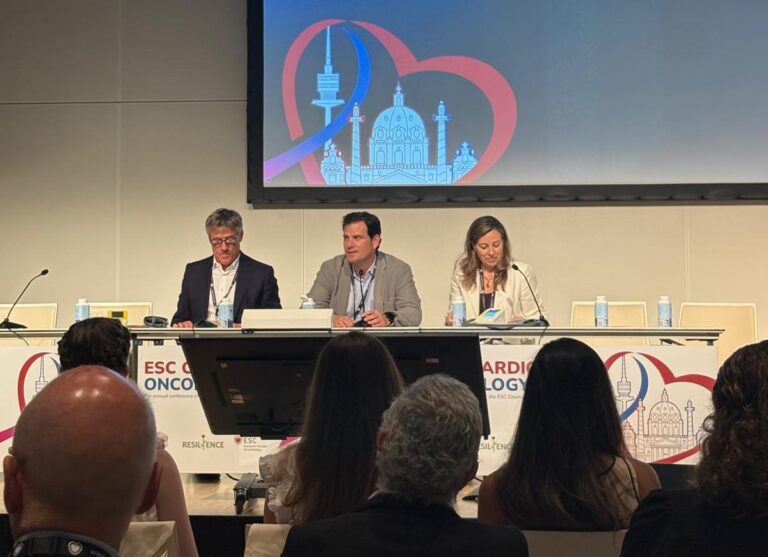
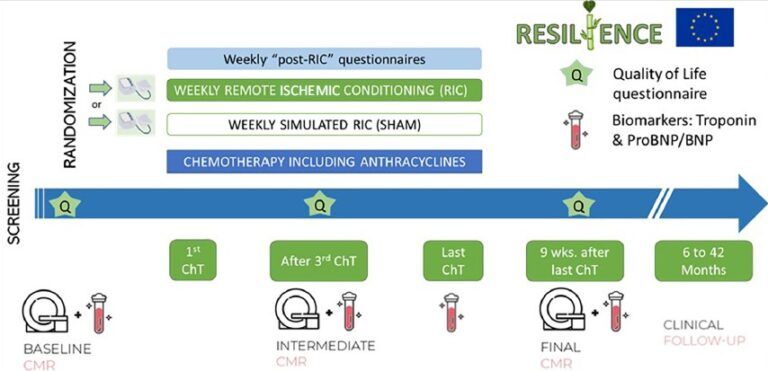
Through projects such as RESILIENCE, in which we work on how to protect the hearts of patients treated with anthracyclines, we also promote a comprehensive approach to health that includes exercise as an essential part of care. Systematically incorporating it into public health programs and clinical follow-up can have a real impact on reducing cancer incidence, recurrence, and mortality. Because movement is also a way of taking care of yourself.