






Experts at the ESC Cardio-Oncology Congress 2026 highlight the need for prevention, advanced cardiac imaging, mental health support, and integrated survivorship care to protect cancer patients from cardiovascular disease.
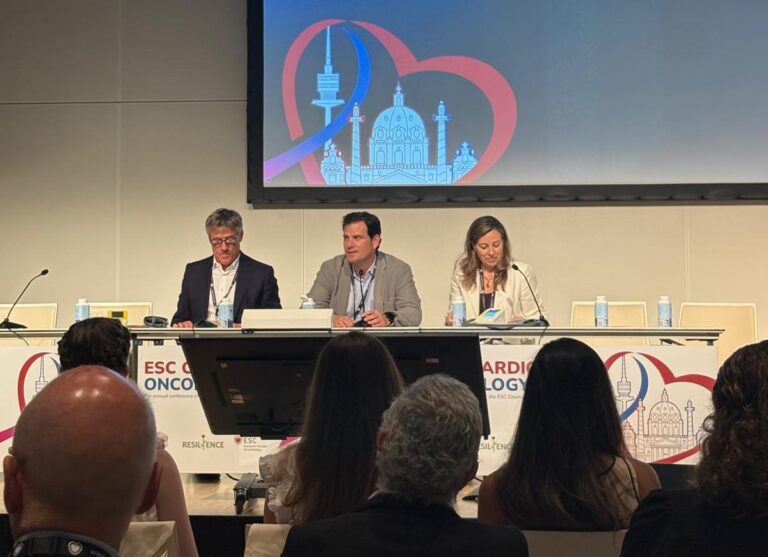
The RESILIENCE Multi-Stakeholder Meeting, held during the ESC Cardio-Oncology Congress 2026 in Vienna, convened cardiologists, oncologists, hematologists, researchers, industry leaders, regulators, patient organizations, and cancer survivors to address one of the most pressing challenges in modern cancer care: preventing cancer therapy-related cardiovascular disease while improving long-term quality of life for survivors.
The meeting reinforced a growing consensus within the cardio-oncology community: care must evolve from a reactive model focused on identifying cardiac damage after treatment to a proactive, multidisciplinary approach centered on prevention, early detection, survivorship, and patient well-being.
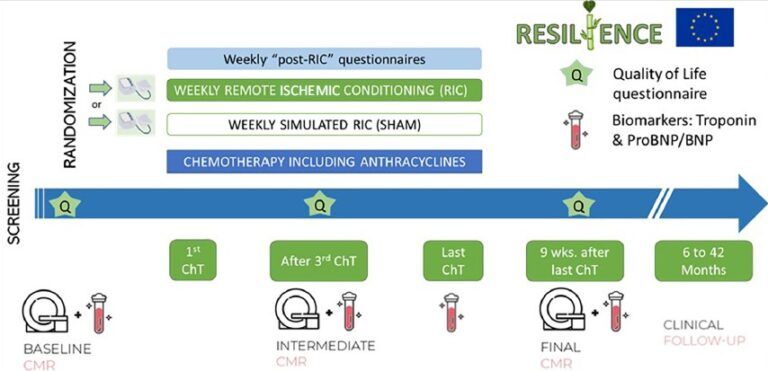
Participants highlighted the role of RESILIENCE as a European platform capable of bringing together clinical expertise, advanced imaging technologies, biomarkers, mental health support, patient-reported outcomes (PROs), ethical governance, and survivorship services into a single, integrated framework.
Rethinking Cardiovascular Safety in Cancer Clinical Trials
Discussions focused extensively on the persistent gaps in cardiovascular safety assessment within oncology and hematology clinical trials. Experts noted that many studies continue to underestimate the true burden of cardiovascular risk, as patients with pre-existing cardiovascular disease or elevated riskare frequently excluded, cardiovascular endpoints remain inconsistent, and cardiology expertise is often incorporated too late in the clinical pathway.
Speakers also emphasized that relying solely on echocardiography is no longer sufficient for comprehensive cardiovascular risk assessment.
To address these shortcomings, participants proposed a new cardio-hematology pathway that combines:
- Clinical cardiovascular risk assessment
- Cardiac biomarkers such as troponin and NT-proBNP
- Echocardiography with Global Longitudinal Strain (GLS)
- Selective use of Cardiac Magnetic Resonance (CMR)
- Early involvement of cardio-oncology specialists
Patient representatives were present in every session. Their contributions were highly valuable and insightful, and the perspectives they shared sparked particularly engaging and productive discussions. Patient testimonies highlighted the importance of improving communication about the cardiovascular risks associated with cancer treatments and participation in clinical trials, especially during the emotionally vulnerable period following a cancer diagnosis.
Advanced Imaging Takes Center Stage
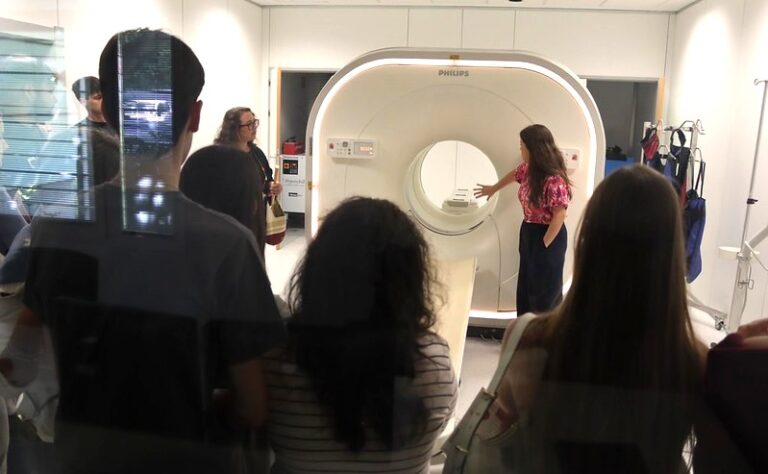
Cardiac imaging emerged as a cornerstone of future cardio-oncology care, with particular attention given to Cardiac Magnetic Resonance (CMR).
Experts described CMR as one of the most powerful tools currently available for:
- Early detection of cardiac injury
- Detailed tissue characterization
- Monitoring treatment-related cardiac effects
- More accurate patient phenotyping beyond left ventricular ejection fraction (LVEF)
Industry representatives presented a range of technological innovations designed to improve accessibility and efficiency, including AI-assisted image analysis, streamlined MRI protocols, automated workflows, and more accessible imaging systems.
However, attendees emphasized that technological innovation alone is not enough. Future imaging strategies must be scalable and affordable, ensuring that patients in low- and middle-income countries can also benefit from specialized cardio-oncology services despite existing healthcare inequalities.
Expanding the Definition of Cancer Survivorship
A major theme throughout the meeting was the need to broaden the concept of cancer survivorship beyond traditional medical follow-up.
Participants emphasized that long-term recovery requires integrated support that addresses physical, psychological, and social needs. Comprehensive survivorship programs should include:
- Psychological support
- Social care services
- Exercise and rehabilitation programs
- Physiotherapy
- Nutritional counseling
- Patient navigation and care coordination
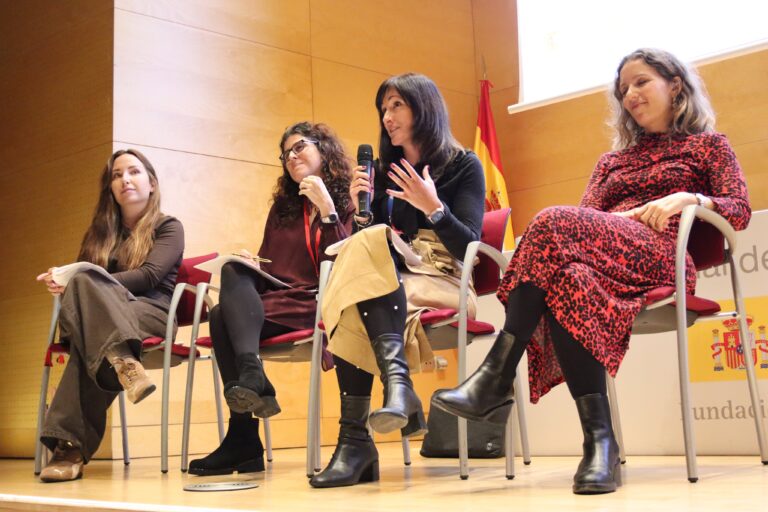
The Spanish Association Against Cancer (AECC) presented its multidisciplinary, person-centered survivorship model, which aims to support patients throughout treatment recovery and their return to daily life.
Speakers agreed that survivorship care should become a fundamental component of cardio-oncology rather than an optional addition to clinical management.
Mental Health Becomes a Core Component of Cardio-Oncology
Mental health was identified as a critical yet often overlooked aspect of cardiovascular care in cancer patients and survivors.
Experts highlighted the strong bidirectional relationship between cardiovascular disease and mental health conditions, including anxiety, depression, post-traumatic stress, and caregiver burden. As a result, the meeting advocated for routine integration of:
- Mental health screening
- Dedicated psycho-cardiology teams
- Patient-reported outcomes (PROs)
- Digital monitoring tools and electronic PROs (ePROs)
Patient testimonies illustrated that, although many cancer survivors appear physically recovered, they often continue to experience fear, uncertainty, emotional distress, and challenges related to identity and future planning.
The consensus among participants was clear: mental health support should be proactive and embedded within routine care, rather than offered only when severe symptoms become apparent.
Key Recommendations from the RESILIENCE Meeting
The meeting concluded with several strategic recommendations for advancing cardio-oncology across Europe and beyond:
- Establish RESILIENCE as a leading initiative focused on prevention, survivorship, and quality of life.
- Move beyond “echo clearance” approaches and adopt comprehensive cardio-oncology pathways.
- Define cardiovascular safety endpoints and monitoring strategies early in clinical trial design.
- Expand the use of advanced imaging, particularly CMR, while ensuring real-world feasibility and accessibility.
- Integrate PROs, ePROs, and mental health screening into standard clinical practice.
- Strengthen ethical standards, informed consent procedures, and data protection frameworks.
- Connect cardiotoxicity prevention with broader survivorship services, including psychological, social, physical, and nutritional support.
A New Vision for the Future of Cardio-Oncology
The RESILIENCE Multi-Stakeholder Meeting concluded that effective cardio-oncology extends far beyond monitoring heart function. Future care models must combine prevention, precision imaging, patient-reported outcomes, mental health services, ethical governance, and comprehensive survivorship support.
By placing patients at the center of care and addressing both physical and emotional health, RESILIENCE aims to help cancer survivors not only live longer but also enjoy healthier and better-quality lives after treatment.