'/%3E%3C/svg%3E)
'/%3E%3Cpath%20fill='%23b2b2b2'%20d='M241%20382q0%2016%2017%2026%2017%2011%2042%2011t42-11q16-11%2017-26V269H241'/%3E%3Cpath%20fill='%239f7e00'%20d='M241%20379q0%2014%208%2023%209%209%2021%209%2014%200%2021-9%209-9%209-23V269h-59'/%3E%3Cpath%20d='M241%20339v-70h59v110q0%2014-9%2023l-6%205v-68h-15v72q-8%200-14-4v-68zm59%2040c0%2022%2015%2032%2029%2032%2021%200%2030-18%2030-32v-40h-59'/%3E%3Cpath%20fill='%239f7e00'%20d='M266%20277v5h2v12h-3v-5h2v-5h-9v5h2v5h-4v9h3v18h-5v10h34v-10h-5v-18h3v-9h-4v-5h2v-5h-9v5h2v5h-3v-12h2v-5zm42%20101q0%2010%206%2017%206%206%2015%207%2010-1%2016-7%206-7%206-17v-29h-43'/%3E%3Ccircle%20fill='%230044ad'%20cx='329.5'%20cy='372'%20r='6'/%3E%3Cellipse%20fill='%230044ad'%20cx='300'%20cy='340'%20rx='16'%20ry='21'/%3E%3C/svg%3E)


'/%3E%3C/g%3E%3Cuse%20href='%23c'%20transform='matrix(-1%200%200%201%20720%200)'/%3E%3C/svg%3E)








Advances in oncology have made it possible for more and more people to overcome cancer. However, some cancer treatments can have effects on the cardiovascular system, making heart protection a key part of care during and after treatment.
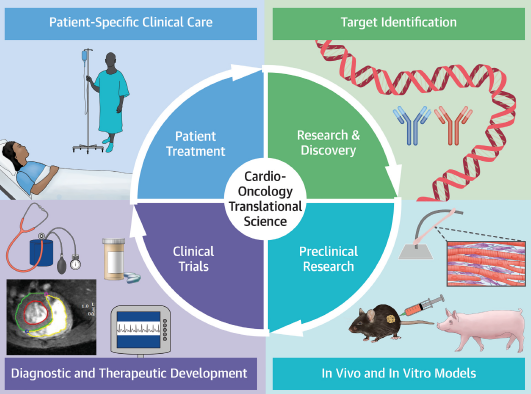
This connection between cancer and the heart is the focus of cardio-oncology, a field dedicated to preventing, detecting, and treating heart complications associated with cancer and its therapies.
What Is Cardiotoxicity?
Cardiotoxicity refers to damage that certain treatments can cause to the heart or blood vessels.
Not all patients experience these effects, and the level of risk varies depending on the type of therapy and individual patient factors. In some cases, however, cardiotoxicity can lead to changes in heart function, arrhythmias, or even heart failure.
Importantly, these complications do not always appear immediately. They may develop during treatment or emerge years later, which is why long-term cardiovascular monitoring and follow-up care are essential.
Why Can Some Treatments Affect the Heart?
Cancer treatments are designed to destroy tumor cells or stop their growth. However, they can sometimes also affect healthy cells.
Among the most studied treatments are anthracyclines, a type of chemotherapy highly effective against various cancers, but which can cause damage to the heart muscle in certain patients.
One of the mechanisms involved is damage to the mitochondria—the structures responsible for producing energy within cells. Researchers are also studying the role of oxidative stress, inflammation, and possible effects on microcirculation and blood vessels.
How to Recognize Potential Symptoms of Cardiotoxicity
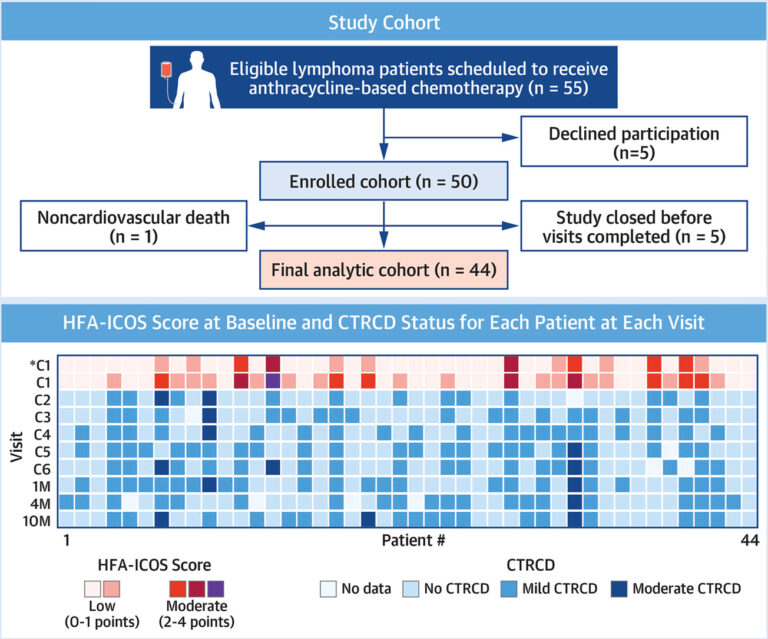
In many cases, cardiotoxicity may begin silently, without obvious symptoms. This is why medical monitoring is essential, especially for patients treated with anthracyclines.
Still, it is important to watch for signs such as shortness of breath, unusual fatigue, palpitations, swelling in the legs or ankles, chest pain or pressure, dizziness, or reduced exercise tolerance.
These symptoms do not always indicate a heart problem, but they should always be discussed with your medical team—during treatment and in the months or years that follow. Early detection allows for timely evaluation and intervention.
How to Prevent Cardiotoxicity Before, During, and After Treatment
Prevention begins before treatment starts, with an initial cardiovascular assessment to evaluate heart health and identify risk factors such as hypertension, diabetes, high cholesterol, smoking, or prior cardiovascular disease.
Throughout treatment, regular monitoring helps detect early changes through imaging tests, biomarkers, and clinical evaluation. Maintaining heart-healthy habits is also key: avoiding tobacco, following a balanced diet, staying physically active when possible, and reporting any new symptoms.
Care also continues after treatment has ended. Some effects may appear later, so long-term follow-up is essential to protect heart health and improve quality of life for cancer survivors.
The Importance of Early Detection
For this reason, early detection is one of the main challenges in cardio-oncology. Research is focused on developing tools that can identify early changes and allow intervention before damage progresses.
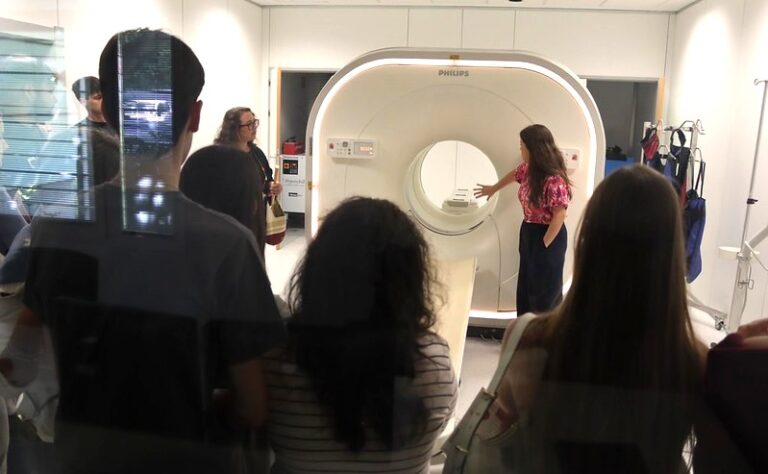
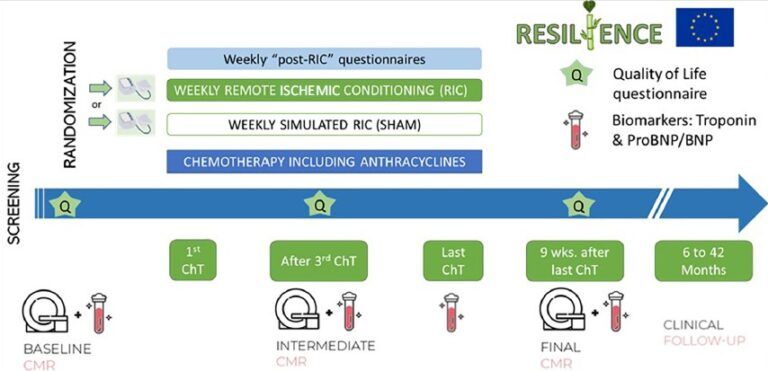
In RESILIENCE, this monitoring includes advanced techniques such as cardiac magnetic resonance imaging and biomarkers that help detect early alterations in heart function.
Research to Protect the Heart
At present, no fully effective strategies exist to prevent anthracycline-induced cardiotoxicity, making continued research in this area a critical priority.
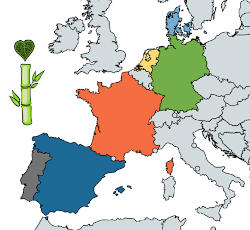
In this context, RESILIENCE is a European project funded by the European Commission that aims to identify new ways to protect the heart during cancer treatment.
One of the approaches being studied is Remote Ischemic Conditioning (RIC), a simple, non-invasive intervention that involves applying short cycles of pressure to the arm using a cuff. Previous experimental studies have shown promising results, opening new paths to reduce heart damage associated with certain treatments.
Because protecting the heart is also an essential part of cancer care.