'/%3E%3C/svg%3E)
'/%3E%3Cpath%20fill='%23b2b2b2'%20d='M241%20382q0%2016%2017%2026%2017%2011%2042%2011t42-11q16-11%2017-26V269H241'/%3E%3Cpath%20fill='%239f7e00'%20d='M241%20379q0%2014%208%2023%209%209%2021%209%2014%200%2021-9%209-9%209-23V269h-59'/%3E%3Cpath%20d='M241%20339v-70h59v110q0%2014-9%2023l-6%205v-68h-15v72q-8%200-14-4v-68zm59%2040c0%2022%2015%2032%2029%2032%2021%200%2030-18%2030-32v-40h-59'/%3E%3Cpath%20fill='%239f7e00'%20d='M266%20277v5h2v12h-3v-5h2v-5h-9v5h2v5h-4v9h3v18h-5v10h34v-10h-5v-18h3v-9h-4v-5h2v-5h-9v5h2v5h-3v-12h2v-5zm42%20101q0%2010%206%2017%206%206%2015%207%2010-1%2016-7%206-7%206-17v-29h-43'/%3E%3Ccircle%20fill='%230044ad'%20cx='329.5'%20cy='372'%20r='6'/%3E%3Cellipse%20fill='%230044ad'%20cx='300'%20cy='340'%20rx='16'%20ry='21'/%3E%3C/svg%3E)


'/%3E%3C/g%3E%3Cuse%20href='%23c'%20transform='matrix(-1%200%200%201%20720%200)'/%3E%3C/svg%3E)













A Key Tool During Cancer Treatment
During cancer treatment, many people need to receive intravenous therapies repeatedly and over long periods of time. To make venous access easier, safer and more comfortable, a device widely used in clinical practice is often recommended: the port-a-cath.
Understanding what a port-a-cath is, how it works and when it is recommended can help reduce uncertainty and allow patients to face treatment with greater peace of mind.
What Is a Port-a-Cath?
A port-a-cath, also known as an implantable venous access port, is a medical device placed under the skin, usually in the upper chest area, and connected to a large central vein. It consists of a small reservoir or “port” implanted beneath the skin and a catheter that connects the port to a central vein.
One of its main advantages is that no tubes remain outside the body. This allows patients to shower, dress and carry out their daily activities comfortably, without visible external devices.
What Is a Port-a-Cath Used For?
The port-a-cath is used to provide reliable venous access in patients who require frequent or long-term intravenous treatments. Its most common uses include:
- Administration of chemotherapy and other intravenous cancer treatments
- Blood sampling
- Delivery of transfusions or supportive therapies
By using a port-a-cath, the need for repeated needle punctures is significantly reduced. This is especially important when treatments extend over time or when peripheral veins are fragile or difficult to access.
Why Is It Recommended in Many Cancer Treatments?
Cancer therapies can be harsh on peripheral veins and often require safe, stable venous access. In this context, the port-a-cath offers multiple benefits:
- Greater comfort for the patient
- Less pain and fewer repeated needle sticks
- Reduced risk of extravasation (leakage of medication outside the vein)
- Long-term, reliable venous access
- Better overall tolerance of treatment
For these reasons, a port-a-cath is commonly recommended when prolonged treatment or frequent venous access is expected.
How Is a Port-a-Cath Implanted?
Placement of a port-a-cath is a simple surgical procedure, usually performed under local anesthesia with light sedation. The device is implanted beneath the skin through a small incision, and the procedure typically lasts less than one hour. In most cases, it is done on an outpatient basis, allowing patients to return home the same day.
Care and Possible Complications
The port-a-cath is designed to be a safe medical device, although—like any medical procedure—it requires proper care. Good hygiene of the area, regular medical check-ups and strict adherence to healthcare professionals’ instructions are essential.
Complications are uncommon but may include infection, catheter blockage or local discomfort at the insertion site. If symptoms such as pain, redness, swelling or fever occur, it is important to contact the medical team promptly for evaluation.
Port-a-Cath and Quality of Life
Beyond its technical role, the port-a-cath can have a meaningful impact on the quality of life of people with cancer. By simplifying procedures and reducing discomfort, it helps patients focus on what truly matters: recovery, as well as their physical and emotional well-being.
At RESILIENCE, Care Is Comprehensive
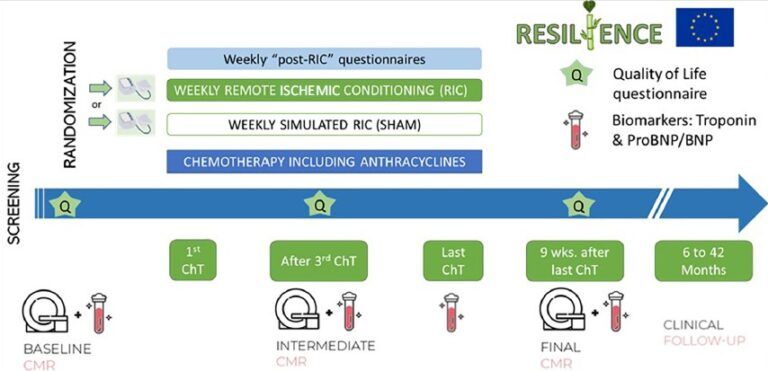
At RESILIENCE, we understand that cancer care goes beyond treating the disease itself. It means caring for the person as a whole—prioritising comfort, safety, and cardiovascular health throughout the treatment journey.
Learning about tools such as the port-a-cath is part of an informed, supportive and patient-centered approach to cancer care.
💙 Because caring for the process also means caring for people.