'/%3E%3C/svg%3E)
'/%3E%3Cpath%20fill='%23b2b2b2'%20d='M241%20382q0%2016%2017%2026%2017%2011%2042%2011t42-11q16-11%2017-26V269H241'/%3E%3Cpath%20fill='%239f7e00'%20d='M241%20379q0%2014%208%2023%209%209%2021%209%2014%200%2021-9%209-9%209-23V269h-59'/%3E%3Cpath%20d='M241%20339v-70h59v110q0%2014-9%2023l-6%205v-68h-15v72q-8%200-14-4v-68zm59%2040c0%2022%2015%2032%2029%2032%2021%200%2030-18%2030-32v-40h-59'/%3E%3Cpath%20fill='%239f7e00'%20d='M266%20277v5h2v12h-3v-5h2v-5h-9v5h2v5h-4v9h3v18h-5v10h34v-10h-5v-18h3v-9h-4v-5h2v-5h-9v5h2v5h-3v-12h2v-5zm42%20101q0%2010%206%2017%206%206%2015%207%2010-1%2016-7%206-7%206-17v-29h-43'/%3E%3Ccircle%20fill='%230044ad'%20cx='329.5'%20cy='372'%20r='6'/%3E%3Cellipse%20fill='%230044ad'%20cx='300'%20cy='340'%20rx='16'%20ry='21'/%3E%3C/svg%3E)


'/%3E%3C/g%3E%3Cuse%20href='%23c'%20transform='matrix(-1%200%200%201%20720%200)'/%3E%3C/svg%3E)







We all know that excessive sun exposure can cause skin cancer. In fact, according to recent data in Spain, in 2024, 30 cases of non-melanoma skin cancer were recorded per 100,000 inhabitants, and 12 per 100,000 cases of melanoma. But what not everyone knows is that people undergoing cancer treatment are even more vulnerable to the sun, both during and after therapy.
Chemotherapy -and other cancer treatments- can alter the skin’s response to UV radiation, causing even mild exposure to result in burns, irritation, or blemishes. Therefore, protecting your skin becomes essential, not only to avoid discomfort, but also to prevent more serious lesions or the appearance of new tumors.
The good news is that you don’t have to give up the sun completely. With proper precautions, you can continue enjoying the outdoors without putting your skin at risk. Keep on reading to know how and when to safely expose yourself to the sun during chemotherapy.
Why does chemotherapy make your skin more sensitive to the sun?
During chemotherapy, your skin can become much more sensitive to solar radiation. This is due to a common side effect called photosensitivity, which causes exaggerated reactions to normal levels of sunlight: from intense burns to rashes or dark spots that wouldn’t have appeared before.
These reactions vary depending on the type of drug and the individual, and can also occur with other treatments such as immunotherapy. Although they often disappear after the end of therapy, your skin can remain vulnerable for weeks or even months.
For this reason, most specialists advise against intentional sunbathing during chemotherapy, especially for tanning purposes. If you do, it is strongly recommended to use high sun protection, a habit that should be practiced daily, and above all, avoid prolonged exposure and stay out of the sun during the hours when the sun is at its strongest. This doesn’t mean you have to stay indoors; with proper precautions, you can enjoy the outdoors without putting your skin at risk.
Tips for Safe Sun Exposure During Chemotherapy
During treatment, your skin is more vulnerable and needs special care. These guidelines will help you enjoy the outdoors safely:
- Avoid peak sun exposure: Avoid sun exposure between 10:00 AM and 4:00 PM. Choose to go outdoors early in the day or at dusk. Remember: even when it is cloudy, UV rays are still present.
- Use sunscreen every day: Choose a broad-spectrum (UVA/UVB) sunscreen with SPF 50+. Apply it 30 minutes before going outside and reapply every 2 hours, or after swimming or sweating.
- Protect yourself with clothing and accessories: Wear long-sleeved clothing made of cool, tightly woven fabrics, preferably with UV protection. Add a wide-brimmed hat and sunglasses with UV protection.
- Seek shade whenever possible: Whether at the beach, park, or terrace, avoid direct sunlight and alternate with shaded areas.
- Hydrate and take care of your skin: drink water frequently and, if it is hot, cool your skin with short showers or wet washcloths. After being in the sun, use hypoallergenic moisturizers to soothe your skin.
- Avoid products that increase sensitivity: don’t use perfumes or cosmetics with alcohol before sun exposure. Also, avoid tanning booths and very hot showers. If you swim in the pool, rinse with fresh water to remove chlorine.
- Consult your medical team: Before vacations or prolonged exposure, talk to your oncologist. Some medications increase photosensitivity and require additional precautions.
The RESILIENCE Project and the Importance of Self-Care
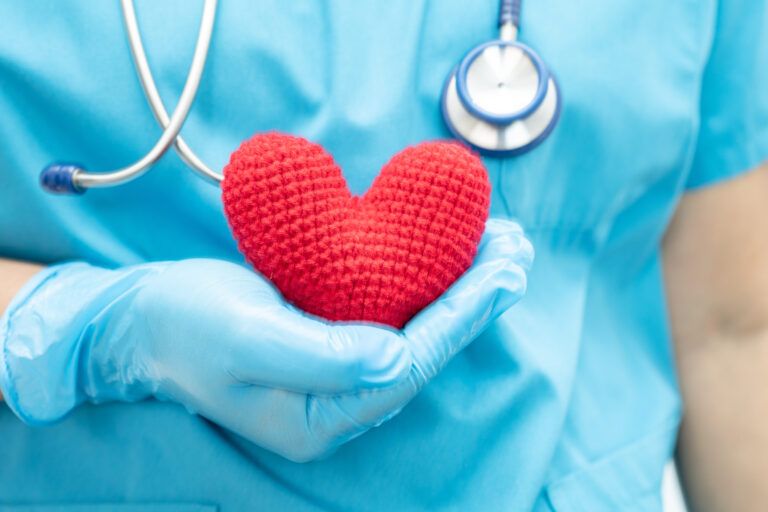
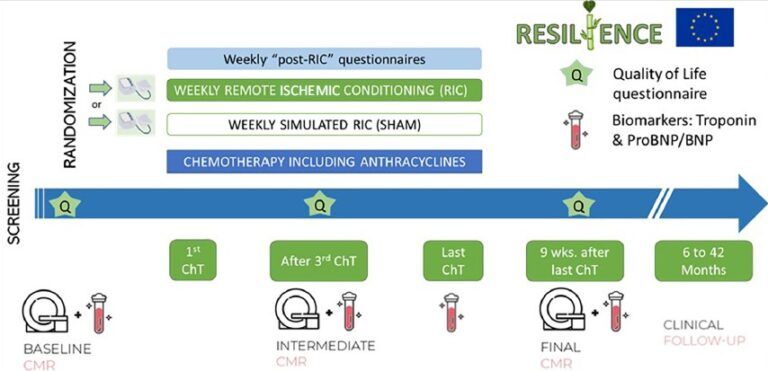
Protecting your skin from the sun is just one of the important forms of self-care during cancer treatment. In our EU-funded RESILIENCE Project, we focus on reducing other side effects of chemotherapy to improve patients’ quality of life. Just as we protect our hearts, we must protect our skin: all of these measures contribute to making cancer patients more resilient and enable them to enjoy a fuller and safer life during and after cancer.