'/%3E%3C/svg%3E)
'/%3E%3Cpath%20fill='%23b2b2b2'%20d='M241%20382q0%2016%2017%2026%2017%2011%2042%2011t42-11q16-11%2017-26V269H241'/%3E%3Cpath%20fill='%239f7e00'%20d='M241%20379q0%2014%208%2023%209%209%2021%209%2014%200%2021-9%209-9%209-23V269h-59'/%3E%3Cpath%20d='M241%20339v-70h59v110q0%2014-9%2023l-6%205v-68h-15v72q-8%200-14-4v-68zm59%2040c0%2022%2015%2032%2029%2032%2021%200%2030-18%2030-32v-40h-59'/%3E%3Cpath%20fill='%239f7e00'%20d='M266%20277v5h2v12h-3v-5h2v-5h-9v5h2v5h-4v9h3v18h-5v10h34v-10h-5v-18h3v-9h-4v-5h2v-5h-9v5h2v5h-3v-12h2v-5zm42%20101q0%2010%206%2017%206%206%2015%207%2010-1%2016-7%206-7%206-17v-29h-43'/%3E%3Ccircle%20fill='%230044ad'%20cx='329.5'%20cy='372'%20r='6'/%3E%3Cellipse%20fill='%230044ad'%20cx='300'%20cy='340'%20rx='16'%20ry='21'/%3E%3C/svg%3E)


'/%3E%3C/g%3E%3Cuse%20href='%23c'%20transform='matrix(-1%200%200%201%20720%200)'/%3E%3C/svg%3E)












Overcoming cancer doesn’t always mean leaving all its traces behind. For many people, especially those who have undergone surgeries or treatments that alter their physical appearance, recovery doesn’t end with discharge: it also means reconciling with a body that has changed.
Scars, hair loss, changes in the skin, or body size can cause a disconnect with one’s self-image and trigger emotions such as sadness, insecurity, or anger. Feeling good when looking in the mirror isn’t a superficial matter: it’s directly related to self-esteem, personal identity, and quality of life, especially in women, who are sometimes more exposed to aesthetic demands.
What is oncological micropigmentation?
In this context, oncological micropigmentation is presented as more than just a cosmetic technique: it can be a therapeutic tool that helps restore body image and self-confidence.
It is a safe and effective dermopigmentation procedure that introduces pigments into the superficial layer of the skin to simulate or restore features lost through treatment, such as eyebrows, eyelashes, or breast areolas. Unlike conventional tattooing, its pigments are designed to fade over time, offering a natural and adaptable result.
The most commonly treated areas are:
- Eyebrows and hairline, after hair loss due to chemotherapy.
- Breast areolas, after mastectomy reconstruction.
- Lips, if there is loss of color or asymmetry.
Micropigmentation also helps camouflage scars, for example, those resulting from surgical procedures, as it helps blur them into the skin.
The process begins with a pre-evaluation by a specialized medical team.
The technique is performed with a dermograph and generally requires a healing period of 7 to 14 days and a subsequent touch-up, usually once a month, to properly adjust the color. Specific care is also required, such as avoiding the sun, not rubbing the area, and applying healing creams.
The stage of the cancer patient’s life greatly influences the process, but there are general recommendations, such as:
- Before chemotherapy, eyebrow and eyelash micropigmentation is recommended to mitigate the impact of hair loss in these areas.
- After surgery, it should be performed once the skin has healed properly, always following the guidelines of a medical team.
Who performs micropigmentation?
According to Dr. Anna López, head of Plastic Surgery at Bellvitge Hospital, this technique, similar to a tattoo, although less long-lasting, has been performed for more than 20 years. While it was previously the exclusive domain of surgeons, today it is performed by specialized nurses or paramedical technicians.
It can also be performed in accredited beauty centers, provided they comply with strict health regulations and have professionals trained in treating cancer patients. Hygiene, material traceability, and experience are essential to ensure a safe and high-quality result.
More and more public hospitals in Spain, such as Vall d’Hebron and Reina Sofía, are incorporating this technique into their comprehensive care for cancer patients.
Benefits of Oncological Micropigmentation
Beyond aesthetics, micropigmentation can have a profound emotional impact. Its benefits include:
- Regaining self-esteem by restoring lost features and recognizing oneself in the mirror.
- Reducing the emotional and practical burden of having to apply makeup every day.
- Non-surgical reconstruction of the areola, providing symbolic closure to the process.
- Emotional support at a time when feeling comfortable with oneself again makes a big difference.
An approach that puts the person at the center
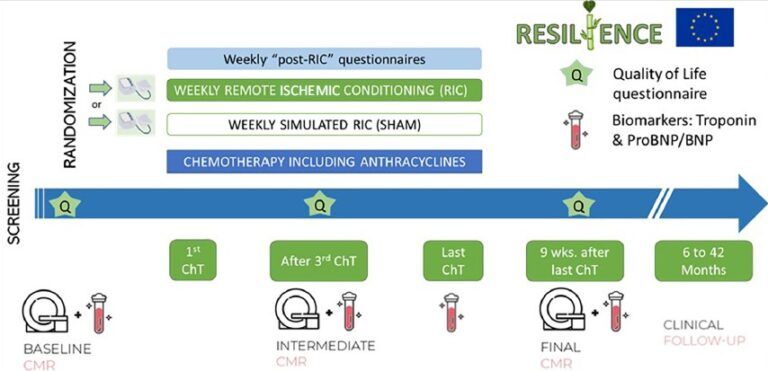
As part of the European project we develop at RESILIENCE, aimed at improving quality of life and cardiovascular health during and after cancer treatment, we support strategies that, like this one, place patient well-being at the center.
Just as we explore innovative, non-invasive medical interventions such as the Remote Ischemic Conditioning (RIC) to prevent cardiac damage, we also value the impact of tools that contribute to autonomy, emotional recovery, and comprehensive care.
Oncological micropigmentation is a clear example of how to rebuild not only the body, but also confidence and identity. Because feeling good about oneself is also part of healing.