'/%3E%3C/svg%3E)
'/%3E%3Cpath%20fill='%23b2b2b2'%20d='M241%20382q0%2016%2017%2026%2017%2011%2042%2011t42-11q16-11%2017-26V269H241'/%3E%3Cpath%20fill='%239f7e00'%20d='M241%20379q0%2014%208%2023%209%209%2021%209%2014%200%2021-9%209-9%209-23V269h-59'/%3E%3Cpath%20d='M241%20339v-70h59v110q0%2014-9%2023l-6%205v-68h-15v72q-8%200-14-4v-68zm59%2040c0%2022%2015%2032%2029%2032%2021%200%2030-18%2030-32v-40h-59'/%3E%3Cpath%20fill='%239f7e00'%20d='M266%20277v5h2v12h-3v-5h2v-5h-9v5h2v5h-4v9h3v18h-5v10h34v-10h-5v-18h3v-9h-4v-5h2v-5h-9v5h2v5h-3v-12h2v-5zm42%20101q0%2010%206%2017%206%206%2015%207%2010-1%2016-7%206-7%206-17v-29h-43'/%3E%3Ccircle%20fill='%230044ad'%20cx='329.5'%20cy='372'%20r='6'/%3E%3Cellipse%20fill='%230044ad'%20cx='300'%20cy='340'%20rx='16'%20ry='21'/%3E%3C/svg%3E)


'/%3E%3C/g%3E%3Cuse%20href='%23c'%20transform='matrix(-1%200%200%201%20720%200)'/%3E%3C/svg%3E)








Early detection of cardiac damage is one of the most effective tools to prevent cardiovascular complications, improve prognosis, and preserve quality of life. Identifying alterations in the heart before symptoms appear allows for early intervention, treatment adjustments, and protection of cardiovascular health in both the short and long term.
This approach is important for the general population, but it becomes especially relevant in the context of cancer, where the interaction between the disease, its treatments, and the cardiovascular system can increase the risk of cardiac damage if appropriate monitoring is not in place.
What do we mean by early heart damage?
We talk about early heart damage when the first changes, often silent, start to appear in how the heart looks or works. At this stage, a person may or may not notice symptoms such as shortness of breath, fatigue, palpitations, or chest discomfort.
If any of these symptoms appear, it is important to consult a specialist. Detecting these changes early makes a big difference because, at this point, many of them can still be reversible or manageable. When they go unnoticed, they may progress and lead to more serious problems such as heart failure, arrhythmias, or coronary artery disease. That is why early detection is so important: by the time symptoms become obvious, the damage is usually already more advanced.
Cancer and the heart: a relationship that needs attention
Thanks to major advances in oncology, cancer survival rates have improved greatly. But this success brings a new challenge: taking care of cardiovascular health before, during, and after cancer treatment.
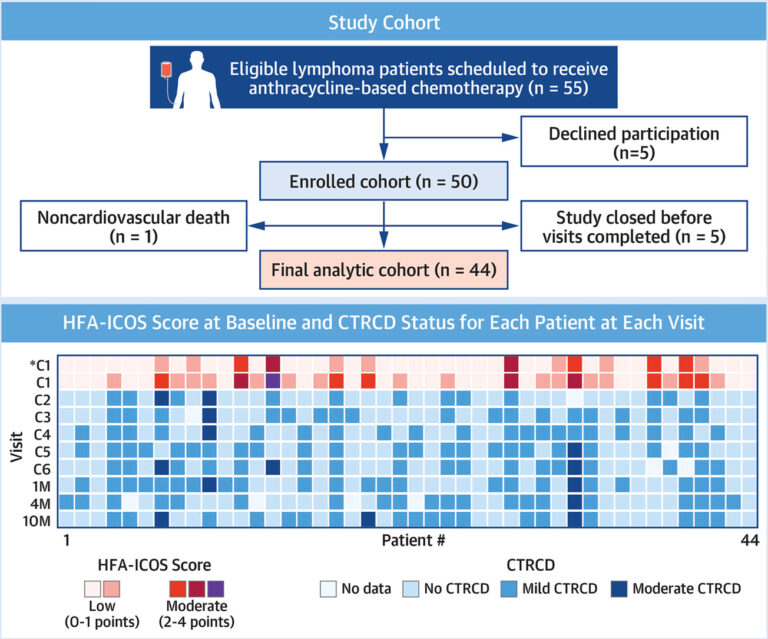
Some cancer therapies like certain chemotherapies, targeted therapies, immunotherapy, or chest radiotherapy, can affect the heart and blood vessels. These effects are not always immediate; in fact, they can appear even years after treatment ends.
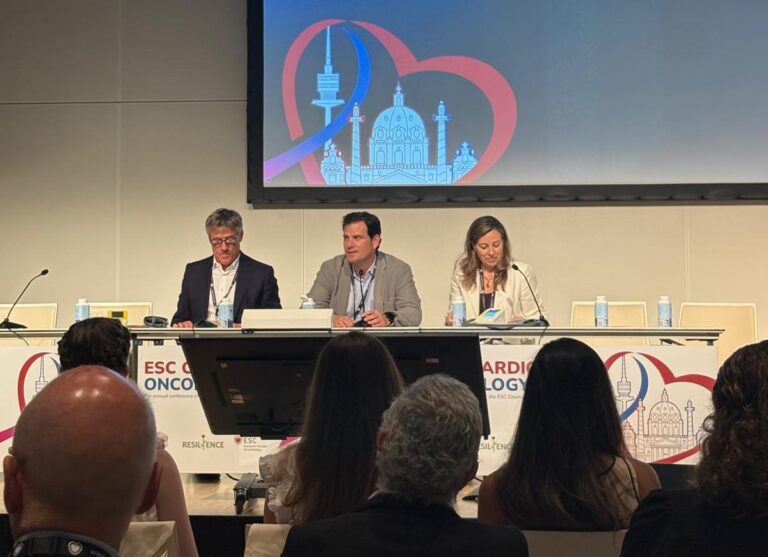
According to the European Society of Cardiology (ESC) Cardio Oncology Guidelines, (2022), people who have undergone cancer treatment have a higher risk of developing cardiovascular disease, especially when there are pre existing risk factors or when structured follow up is not carried out.
Research published in the Spanish Journal of Cardiology also shows that, in some groups of cancer survivors, cardiovascular risk can be comparable to -or even higher than- the risk of cancer recurrence. This underlines just how essential early detection is.
Why is early detection so important?
Detecting heart damage early allows us to:
- Start preventive measures before the problem gets worse.
- Adapt or personalize cancer treatments when needed, keeping them effective while reducing risks.
- Lower the chances of developing heart failure, arrhythmias, or other cardiovascular complications.
- Improve long term health and quality of life, especially for cancer survivors.
Early detection also brings peace of mind to both patients and healthcare teams, making care more complete and personalized.
Key tools for detecting heart damage early
Today’s medical technology gives us powerful ways to spot early changes in the heart:
1. Cardiac imaging
- Echocardiography – a fundamental, accessible, and repeatable way to evaluate heart function.
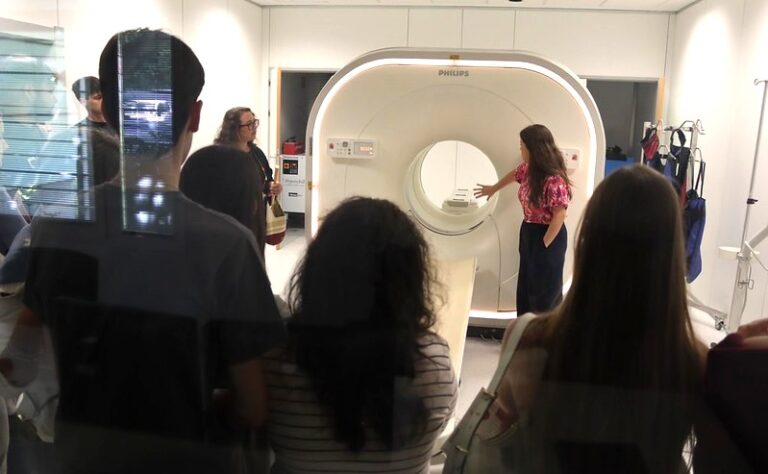
- Cardiac MRI – the most precise technique for examining heart structure, function, and tissue composition.
2. Blood biomarkers
Certain blood tests can detect signs of cardiac stress or injury even before symptoms appear.
3. Personalized clinical follow up
Monitoring tailored to the type of cancer, the treatments received, and each individual´s risk factors ensures safer, more continuous care. Together, these tools provide a comprehensive view of cardiovascular health and support more accurate clinical decision-making.
Early detection as part of a comprehensive approach
Early detection is not only about tests. It also includes:
- Identifying and managing cardiovascular risk factors.
- Paying attention to how you feel and reporting any symptoms.
- Adopting healthy habits that protect the heart during and after treatment.
For people living with cancer, this comprehensive perspective is essential. Cardiovascular health is part of recovery, survival, and long term well being.
At RESILIENCE, prevention means care
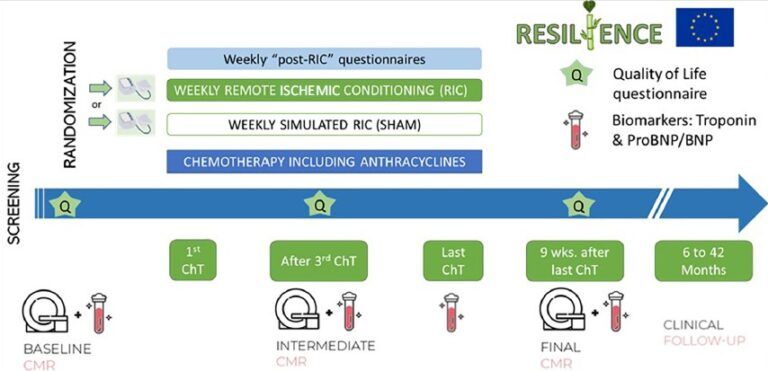
At RESILIENCE, we work to improve the early detection of heart damage in people with cancer through scientific research, technological innovation, and long term monitoring. Our goal is clear: anticipate complications, protect the heart, and accompany each person throughout their journey.
Because early detection is not about creating alarm, it is about offering real opportunities for prevention, care, and a better future.
💙 Taking care of your heart from the very beginning is another way of taking care of yourself.