'/%3E%3C/svg%3E)
'/%3E%3Cpath%20fill='%23b2b2b2'%20d='M241%20382q0%2016%2017%2026%2017%2011%2042%2011t42-11q16-11%2017-26V269H241'/%3E%3Cpath%20fill='%239f7e00'%20d='M241%20379q0%2014%208%2023%209%209%2021%209%2014%200%2021-9%209-9%209-23V269h-59'/%3E%3Cpath%20d='M241%20339v-70h59v110q0%2014-9%2023l-6%205v-68h-15v72q-8%200-14-4v-68zm59%2040c0%2022%2015%2032%2029%2032%2021%200%2030-18%2030-32v-40h-59'/%3E%3Cpath%20fill='%239f7e00'%20d='M266%20277v5h2v12h-3v-5h2v-5h-9v5h2v5h-4v9h3v18h-5v10h34v-10h-5v-18h3v-9h-4v-5h2v-5h-9v5h2v5h-3v-12h2v-5zm42%20101q0%2010%206%2017%206%206%2015%207%2010-1%2016-7%206-7%206-17v-29h-43'/%3E%3Ccircle%20fill='%230044ad'%20cx='329.5'%20cy='372'%20r='6'/%3E%3Cellipse%20fill='%230044ad'%20cx='300'%20cy='340'%20rx='16'%20ry='21'/%3E%3C/svg%3E)


'/%3E%3C/g%3E%3Cuse%20href='%23c'%20transform='matrix(-1%200%200%201%20720%200)'/%3E%3C/svg%3E)















Cancer is not the same in all people. Each tumor has unique characteristics and, therefore, treatments work differently for each patient.
This is why biomarker tests can be of great help, as they guide doctors when choosing the most appropriate treatment for each person.
What is biomarker testing and why is it important?
These are analysis that look for signals in the body, biomarkers, that can give clues about cancer. They can be genes, proteins, or other substances that indicate how the tumor is functioning and what treatment might be most effective.
Biomarker tests allow treatment to be more personalized, that is, adapted to each patient. Instead of trying different treatments without certainty, doctors can use these results to learn which one has the best chance of success.
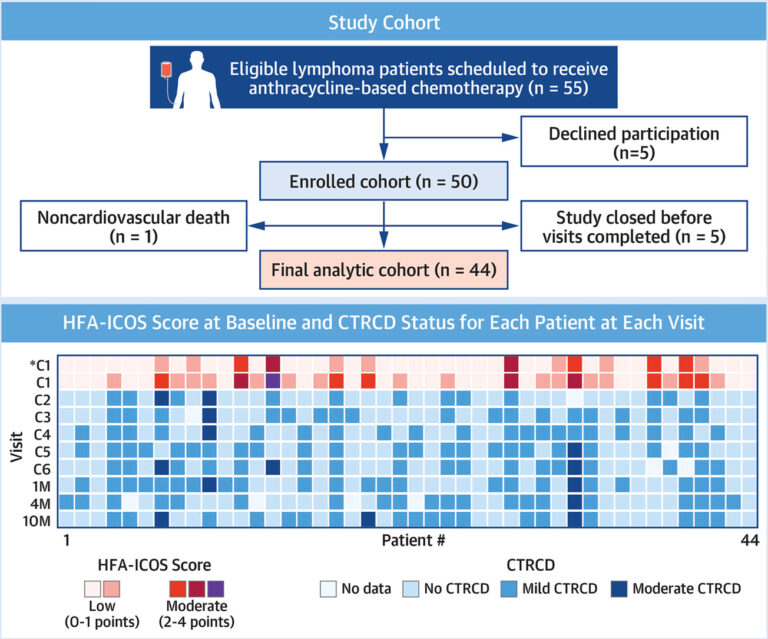
Chemotherapy and radiation therapy can have significant adverse effects on the cardiovascular system, such as heart failure, hypertension, or myocardial damage. Identifying specific biomarkers before, during and after treatment can help prevent these problems and personalize therapeutic strategies.
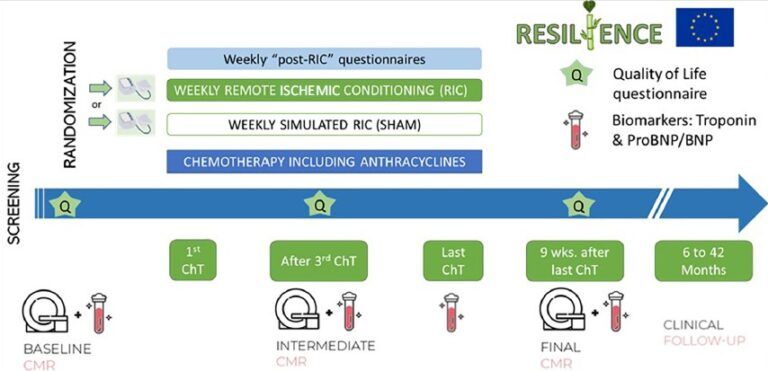
- Initial risk assessment: Biomarkers such as troponin and BNP (brain natriuretic peptide) can detect early cardiovascular damage even before clinical symptoms appear.
- Monitoring during treatment: Advanced blood tests allow to monitor how the heart responds to cancer treatment, helping to adjust doses or change therapy if necessary.
- Long-term prevention: Biomarkers can also identify patients at higher risk of developing cardiovascular diseases after treatment, guiding preventive strategies such as lifestyle changes or drug treatments.
How are these tests done?
The process is simple. They can be done with:
- A blood sample.
- A fragment of the tumor (taken in a biopsy).
The doctor will analyze these samples and the information obtained with these biomarkers will be essential to develop personalized intervention strategies, as well as to adjust oncological treatment or introduce preventive measures.
Towards a more personalized and effective medicine
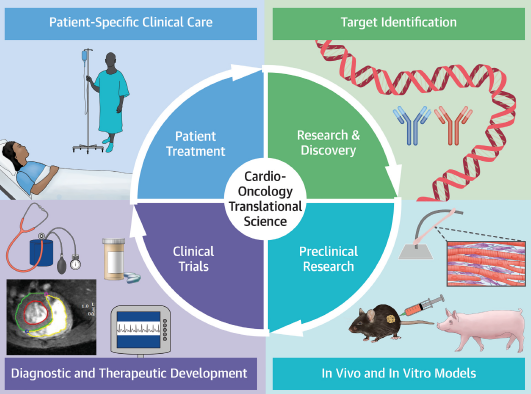
The use of biomarkers in cardio-oncology represents a very important step towards personalized medicine.
Each patient is unique, and the information provided by biomarkers allows treatments to be tailored to the specific needs of each individual. This not only improves the effectiveness of the therapies but also minimizes the associated risks.
At RESILIENCE, we are dedicated to research to improve the lives of patients who survive cancer. We believe that the combination of advanced technology and personalized treatment is the key to improving patients’ quality of life.