











In the digital age, we live surrounded by screens, notifications, and constant information.
This state of hyperconnectivity, while seemingly harmless, can have significant effects on both our mental and physical health, particularly during vulnerable times like cancer.
After a cancer diagnosis, it’s natural to search for information online or turn to social media as a means of distraction or connection. However, this continuous exposure to digital content can increase anxiety, lead to mental fatigue, interfere with rest, and even affect self-perception.
Information and Networks: An Ambiguous Tool for Cancer Patients
While healthcare professionals remain the primary source of information after a cancer diagnosis, numerous studies have shown that an increasing number of patients are using social media and specialized websites as complementary resources.
In this digital search, a common motivation is to hear the stories of others who have gone through a similar journey. This emotional connection not only provides comfort but can also improve disease management and strengthen psycho-oncological support. Particularly during complex stages such as the end of treatment or the adaptation to physical changes, information shared by other patients can help individuals cope with uncertainty with greater resources and a sense of control.
However, not all information circulating online is reliable. The excess of data, the difficulty in identifying trustworthy sources, and constant exposure to idealized messages can generate confusion, anxiety, or even poorly informed decisions. Therefore, promoting the conscious and critical use of digital resources is key to empowering patients without emotionally overwhelming them.
The role of social media and body comparison
Social media is full of idealized images and implicit messages about how we “should” look. At times when the body undergoes so many changes, such as cancer treatments, these comparisons can intensify body dissatisfaction and diminish self-esteem.
The intensive use of social media platforms like Instagram and TikTok, especially among women, is associated with greater dissatisfaction with one’s own image, self-criticism, and emotional distress.
These effects tend to worsen during times like summer, when content focused on physical appearance intensifies, leading to emotional problems such as anxiety, sadness, social media addiction, and even eating disorders.
Screen Use: An Enemy of Good Sleep
The impact of technology extends beyond body image. According to the Spanish Society of General and Family Physicians (SEMG), the use of electronic devices until late in the day is directly related to an increase in sleep disorders. Screens exposure interferes with the secretion of melatonin, the hormone that regulates the sleep cycle, and disrupts restful sleep, which is essential for any physical and emotional recovery process.
In fact, chronic insomnia has increased significantly in recent years, as has the prescription of sleeping pills, with the risks of dependence that this entails.
Practical tips for disconnecting
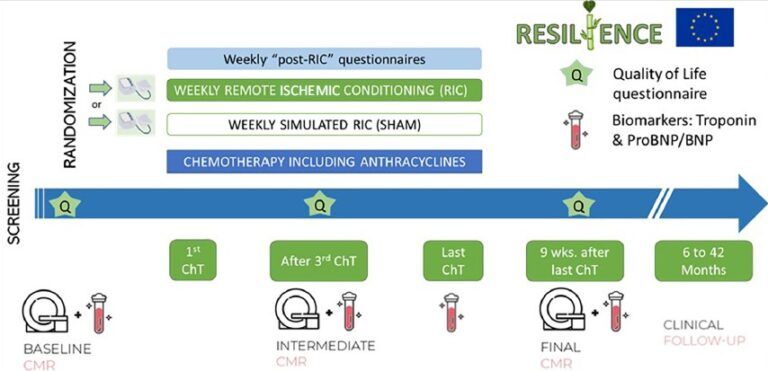
At RESILIENCE, we work to support cancer patients beyond treatment, promoting habits that improve their quality of life. Conscious digital disconnection is also a form of self-care. Here are some ideas to get you started:
- Establish screen-free times, especially after 10:00 p.m.
- Replace some of your social media time with relaxing activities (reading, listening to music, conscious breathing, etc.).
- Leave your phone out of the bedroom.
- Try “detox days” for social media or news apps.
- Use technology more consciously: to connect with supportive people, follow adapted exercise programs, or access information from reliable sources.
- Notice how you feel when you disconnect and give yourself permission to do so.