











Overcoming cancer marks the beginning of a new chapter. However, some effects of the disease and its treatments may persist or appear long after treatment has ended. Among these are hormonal changes, which in some individuals, may also have implications for cardiovascular health.
These changes depend on several factors, including the type of cancer, age, treatment received, and each patient’s individual characteristics. Understanding this relationship can help improve long-term follow-up care and support overall health and well-being.
Why Do Hormonal Changes Occur?
Some cancer treatments can alter the production or activity of sex hormones.
In women, certain chemotherapy regimens, radiotherapy, or surgical procedures may affect ovarian function, potentially leading to premature menopause or ovarian insufficiency. In addition, some hormone-sensitive cancers, such as certain types of breast cancer, require treatments that modify estrogen activity.
In men, therapies commonly used to treat prostate cancer can reduce the effects of testosterone.
Scientific evidence has linked premature menopause to an increased long-term risk of cardiovascular disease, although an individual’s risk depends on many different factors.
What Is the Connection Between Hormones and Heart Health?
Sex hormones play an important role in several processes related to cardiovascular health. Changes in hormone levels can influence factors such as fat and glucose metabolism, blood pressure regulation, and the function of blood vessels.
For this reason, treatments that alter hormonal activity are also being studied from a cardiovascular perspective.
In breast cancer, for example, several studies have examined the relationship between hormone therapies and cardiovascular events. Similarly, evidence suggests that androgen deprivation therapy used in prostate cancer may have cardiovascular implications.
This does not mean that everyone who experiences hormonal changes will develop cardiovascular disease. Risk varies from person to person and is influenced by overall health, pre-existing conditions, and other risk factors.
Which Factors Should Be Monitored?
Hormonal changes can add to other factors that already affect heart health. Therefore, during follow-up care, it may be important to monitor:
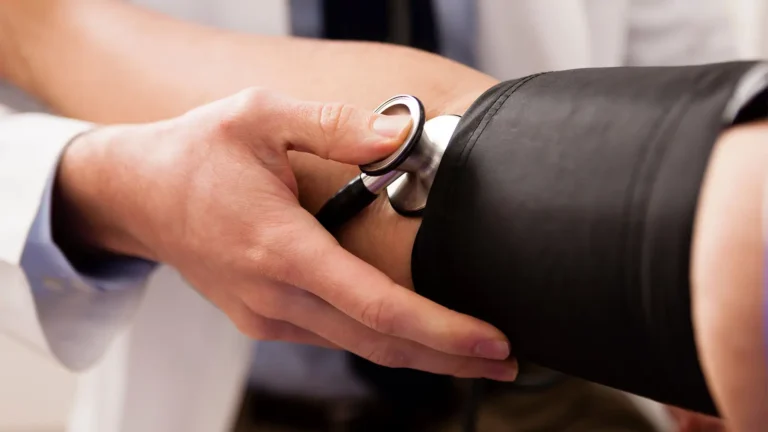
- Blood pressure
- Cholesterol levels
- Blood glucose
- Body weight
- Smoking habits
- Physical activity levels
Patients should also inform their healthcare team of any new symptoms or health changes and attend all recommended follow-up appointments based on their treatment history and individual risk profile.
The goal is not to create unnecessary concern, but rather to provide information that can help identify and manage cardiovascular risk factors when appropriate.
Looking After Your Heart Is Part of Recovery
Cancer follow-up care is no longer focused solely on monitoring the disease itself. As cancer survival continues to improve, increasing attention is being given to other aspects of health that may be affected in the long term.
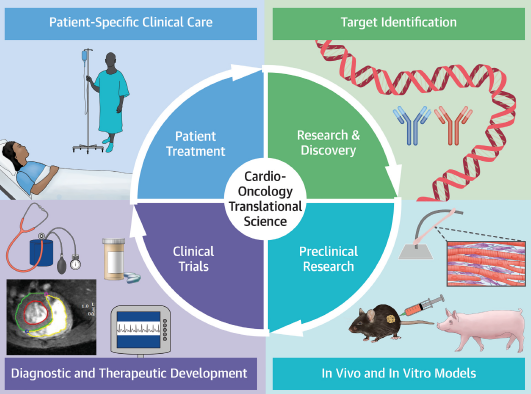
This is where cardio-oncology plays a vital role. Cardiologists and oncologists work together to prevent, detect, and manage potential cardiovascular complications related to cancer and its treatments.
Maintaining healthy lifestyle habits, attending recommended medical check-ups, and understanding personal risk factors are all important steps that can help protect heart health during this new stage of life.
The Role of RESILIENCE
At RESILIENCE, we focus on one of the major challenges in cardio-oncology: reducing the impact that certain cancer treatments can have on the heart.
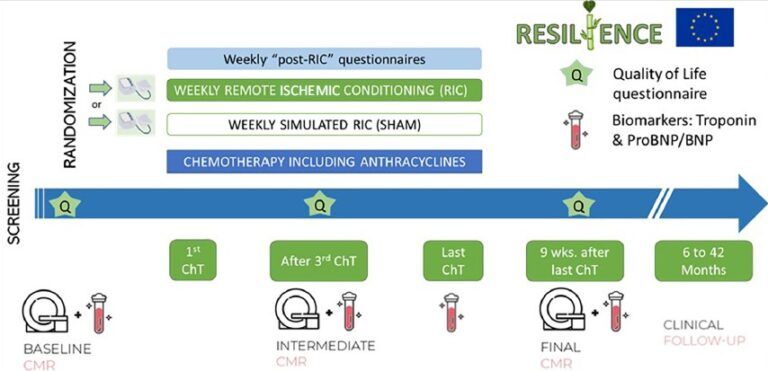
The project focuses on patients treated with anthracyclines and investigates whether Remote Ischaemic Conditioning (RIC) can help reduce cardiotoxicity and the risk of heart failure associated with these therapies.
Although RESILIENCE does not specifically study hormonal changes, it shares a broader goal: advancing cancer treatments that increasingly take cardiovascular health and long-term quality of life into account.
💙 Because surviving cancer also means continuing to care for your heart.