












Searching for alternatives to traditional treatments such as chemotherapy and radiotherapy, many cancer patients come across a promising term: immunotherapy. This innovative treatment harnesses the power of the immune system itself to fight cancer cells, offering new hope for many people.
What is immunotherapy?
Immunotherapy is a type of cancer treatment that, unlike the methods mentioned above, uses the body’s own immune system to fight malignant cells by modifying the body’s natural defenses.
This type of treatment uses each one’s defenses to recognize and destroy the cancer cells in a more effective way.
What types of immunotherapies exist and how do they work?
There are several types of immunotherapy used to treat cancer. Some of the most commonly used due to their high level of effectiveness are:
- Immune checkpoint inhibitors: These drugs block the immune system’s checkpoints allowing the defenses to better recognize and attack cancer cells.
- T cell transfer therapy: There are two main types:
- Tumor lymphocyte therapy (LIT): T cells are extracted from the patient’s tumor and grown in the laboratory to increase their number. These cells are then reintroduced into the body to boost the immune response.
- CAR T-cell therapy: The patient’s T cells are genetically modified in the laboratory to add specific receptors, called CARs (chimeric antigen receptors), that target antigens on cancer cells, triggering a powerful immune response.
- Cytokines: These proteins act as messengers of the immune system, helping to coordinate and amplify the response against cancer.
- Cancer treatment vaccines: They work by strengthening the immune system’s response against cancer cells.
- Oncolytic viruses: A genetically modified virus is injected into the patient’s tumor to infect and kill malignant cells. When harmful cells die, a protein is released that targets other cancer cells, recognizing them and thus preventing the virus from spreading to healthy cells.
Effectiveness and benefits of immunotherapy
Immunotherapy is revolutionizing the treatment of certain types of cancer and although its effectiveness depends on factors such as the type of cancer and the condition of each patient, we can highlight the following benefits:
- Durable response: In some patients, immunotherapy has produced durable remissions, which is less common on conventional treatments.
- Causes less damage to healthy cells: Immunotherapy is designed to specifically attack cancer cells, which minimizes damage to healthy cells and, therefore, there are fewer serious side effects as happens with chemotherapy or radiotherapy.
- Greater adaptability and personalization of treatment: Many types of immunotherapies can be tailored according to the characteristics of the patient’s tumor, for example, CAR T-cell therapy. This capability opens the door to more specific and effective treatments for certain patients.
- Greater effectiveness in advanced or resistant cancers: in patients who have not responded well to other treatments, such as chemotherapy, immunotherapy is being an effective alternative, especially in advanced or metastatic cancers, where therapeutic options are more limited.
Despite these benefits, immunotherapy also has certain limitations and not all patients have the same response to it.
Before undergoing this process, the patient’s doctor would conduct an in-depth study on the specific case and current situation to know the risk of its potential side effects.
Research saves lives
The field of immunotherapy is in constant evolution. Hopefully, with the advancement of research, this treatment would be applied to an even wider range of cancer types, improving survival and quality of life for many patients.
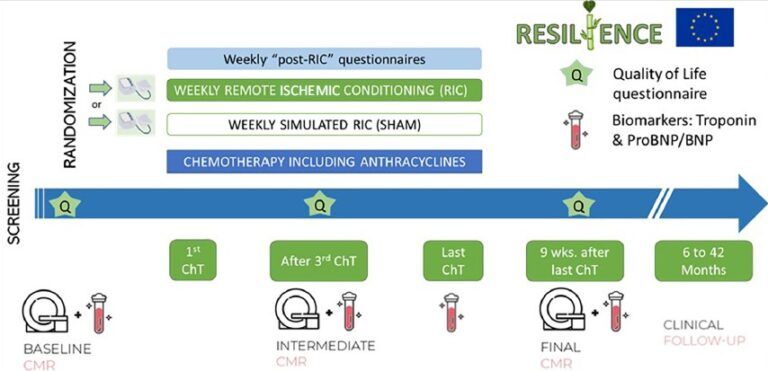
At RESILIENCE, we work to minimize the side effects of oncology treatments such as anthracycline-induced heart failure. If you want to know more about our project, and how we are helping cancer patients, follow us on our social networks!