







Cardiovascular research has just taken a huge step forward. The REBOOT clinical trial, led by the Spanish National Center for Cardiovascular Research (CNIC) in collaboration with the Mario Negri Institute in Milan, has shown that a medical practice in place for more than 40 years may no longer be necessary in certain patients, leading to changes in treatment guidelines after a myocardial infarction.
Why have beta-blockers been used for decades?
During the 1980s and 1990s, patients suffering from a heart attack did not have effective treatments like those available today. In this context, the risk of arrhythmias or heart failure was very high.
Studies conducted at that time demonstrated that patients taking beta-blockers had lower mortality rate compared to those who did not. As a result, these drugs were incorporated as a standard treatment and have been maintained for 40 years.
However, over time, heart attack management has improved significantly, and medical knowledge has expanded.
Thanks to this, the prognosis after a heart attack is much more favorable, and the risk of arrhythmias or heart failure has decreased in most patients.
What did the REBOOT study show?
The trial included 8,505 patients from 109 hospitals in Spain and Italy who had suffered an uncomplicated myocardial infarction.
After a heart attack, the heart’s contractile function can:
- Remain preserved: which currently occurs in 70% of patients
- Be moderately reduced: around 20% of cases
- Deteriorate significantly: approximately 10% of patients
The REBOOT study focused on the first two groups, as there was no clear evidence of the benefits of beta-blockers in these profiles.
Patients were randomly assigned to two groups: receiving beta-blockers or not receiving them, and were followed for nearly four years.
Main results:
- There were no differences in mortality, reinfarctions, or admissions for heart failure between patients who took beta-blockers and those who did not.
- This demonstrates that, in this patient profile, beta-blockers do not provide a clear clinical benefit.
- However, in a small subgroup with moderately reduced cardiac function, there may be benefits, according to a pooled analysis with other similar studies.
Optimizing treatments and reducing unnecessary medication
One of the main objectives of the REBOOT trial is to optimize patient treatment and, whenever possible, withdraw unnecessary medication, especially when its side effects can affect quality of life.
Possible adverse effects of beta-blockers include fatigue, bradycardia, sleep disturbances, and sexual problems. In patients who do not benefit from beta-blockers, these risks may outweigh the benefits of continuing to take the drug.
Differences between men and women
The study also revealed important differences between men and women:
- In men, beta-blockers showed no benefit or risk.
- In some women, however, they may be associated with a slight increase in adverse effects, although the absolute risk is minimal.
Future Steps
REBOOT marks the beginning of a major change. Data from this study are currently under review, together with findings from two additional trials conducted in Norway, Sweden, and Denmark.
A joint analysis of the data from these three large trials will be conducted during September and October 2025 to gather all possible evidence and establish a definitive guideline for the treatment of heart attack patients worldwide.
REBOOT and RESILIENCE
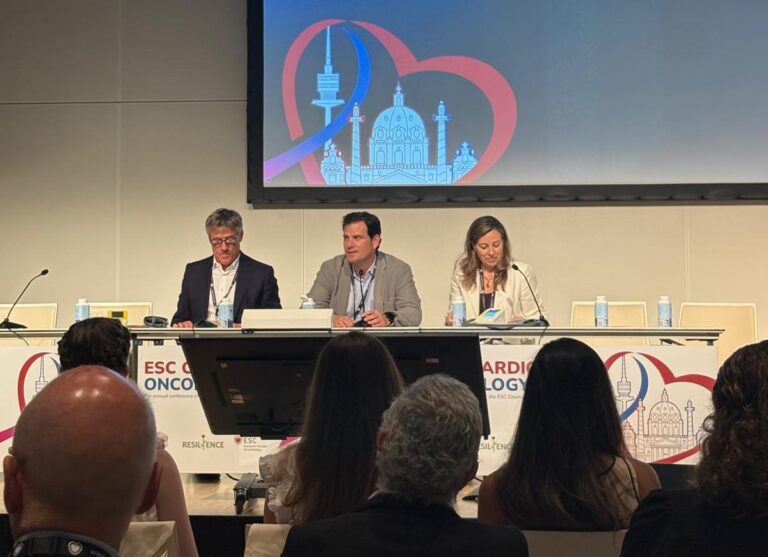
Dr. Borja Ibáñez, Scientific Director of CNIC and coordinator of the RESILIENCE project, is also the principal investigator of the REBOOT trial.
Both projects share the same philosophy:
- Re-evaluate standard treatments: many cancer drugs have been used for decades without reconsidering whether they are necessary for all patients.
- Minimize harm without compromising health: Reducing unnecessary treatments reduces the risk of side effects.
- Updated evidence-based medicine: classic treatments need to be updated with current data.
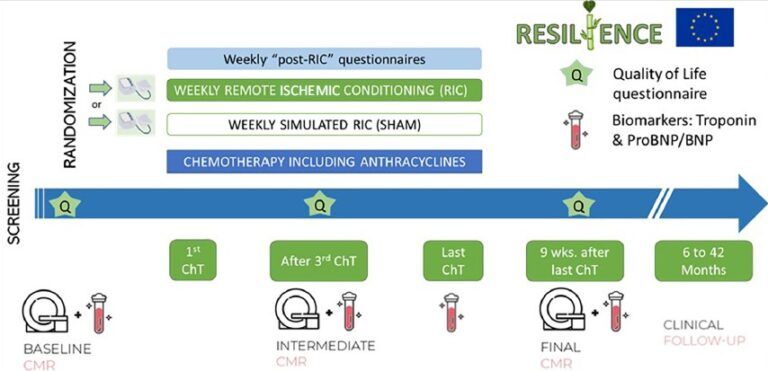
At RESILIENCE, we are working to demonstrate that it is possible to protect the heart from cardiotoxicity when under cancer treatments, just as REBOOT has shown that some traditional treatments may not be necessary for all patients after a heart attack.
Caring for patients means not only overcoming the disease, but also doing so while minimizing harm to their hearts.